


by The Heart Home Network

Second-stage shelters in Alberta make a life-changing difference every day in the lives of women and children affected by domestic violence, supporting them on their journey to living stable lives free of abuse in the community.
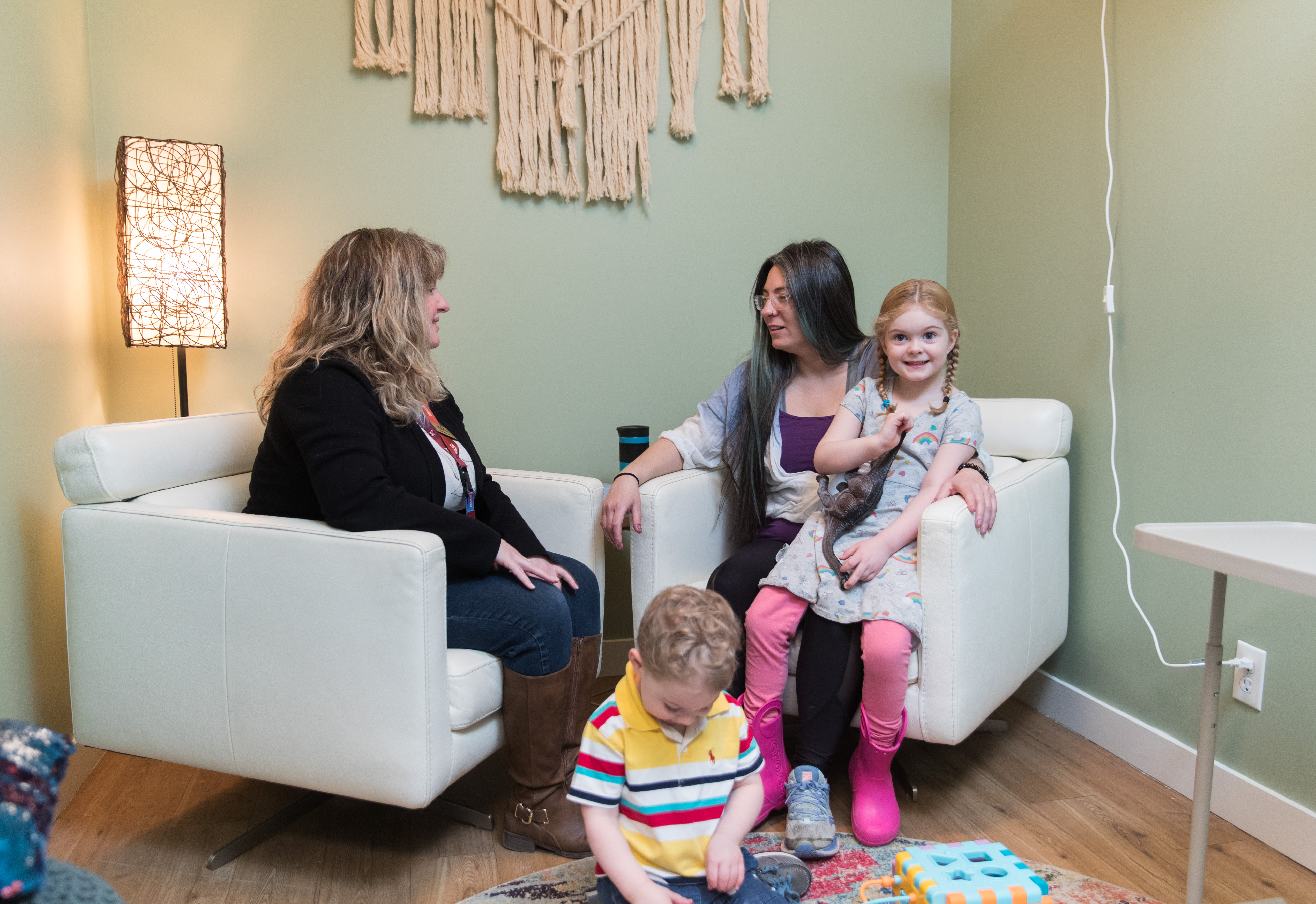
Some second-stage shelters provide safe housing combined with comprehensive support services designed to help residents heal and break the cycle of abuse. More than just immediate safety for women and their children who have experienced domestic violence, they offer hope for long-term stability, in a place where healing can truly begin.
What Is a Second-Stage Shelter?
Second-stage shelters serve as the next step for women and children fleeing domestic violence often after a short-term stay in an emergency shelter.
There is often a waitlist of families coming from places like emergency shelters, seeking longer-term safety and support in a second-stage shelter or transitional housing environment.
Families can typically stay for up to one to two years in secure and affordable housing, while also receiving essential supports including: trauma-informed counselling; skill-building and job training; developmental programming for children and youth; community connections and advocacy; and help accessing housing in the community.
This extended time and care helps survivors of domestic violence to break the cycle of abuse and rebuild strong, independent lives free from violence.
Why Family Violence Prevention Month Matters
Family violence affects people of all ages, backgrounds, and incomes. Raising awareness in November helps reduce stigma, encourages survivors to seek help, and reminds families, individuals and the community of the warning signs and resources available to help.
Survivors need long-term support to break the cycle of abuse and second-stage shelters rely on community involvement to sustain their services.
How Can You Help
There are many ways you can take action to be part of the solution!
• Volunteer: Share your time, skills, or professional expertise.
• Spread the word: Talk openly to create awareness about domestic violence and the available supports.
• Recognize the signs: People affected by family violence may cope differently but there are some common warning signs of abuse you can look for.
• Get help: If you or someone you know is experiencing family violence, find out ways to get help 24/7.
• Advocate: Encourage policies that protect and empower survivors.
Learn more at alberta.ca/recognize-family-violence.
Together, we can strengthen our community and continue building a brighter future!

Click here to the Hillhurst Community News home page for the latest Hillhurst community updates.
Click here to the Sunnyside Community News home page for the latest Sunnyside community updates.