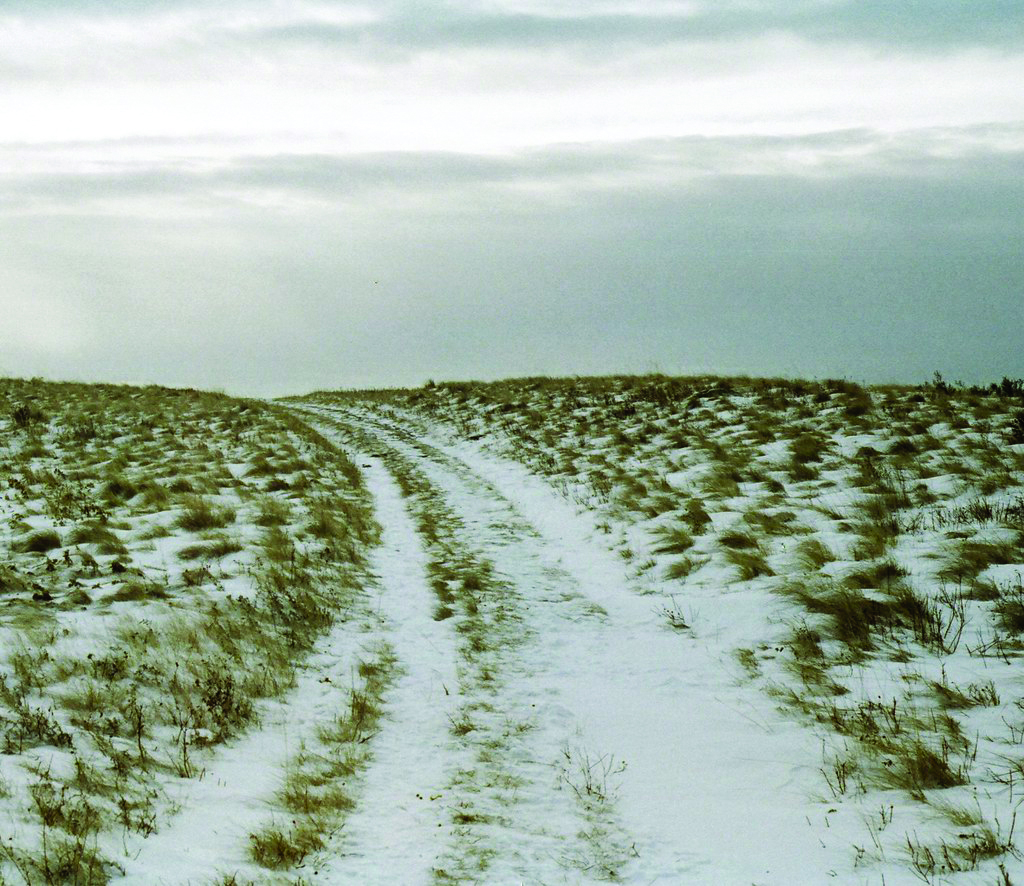

On the Park’s northern boundary, Alberta Government Telephone, in 1982, and Canadian Western Natural Gas, in 1990, had access rights. Carma Developments put waste in the MacEwan Glen ravine. Construction sites attracted four-by-fours and dirt bikes. Nose Hill Trail condition and use were studied between July 20 and September 20, 1993. Volunteers working in pairs came from the Nose Hill Park Users Group, Nose Hill Communities Board, and Calgary Field Naturalists Society. Their goal was to measure trail type and surface, width, and depth. An aerial photo mosaic marked the survey areas. Data was collected for the glacial moraine (the Hill plateau and side slopes), ravines (Many Owls and Porcupine Valley), and disturbed land. The time of day was morning (7:00 am to noon), afternoon (noon to 6:00 pm), and evening (6:00 pm to dark). During both the week and weekend, Hill use was greatest in the afternoon and evenings. On the weekend, people spent time in the ravines. However, during the week more were recorded on the plateau and side slopes. Pathway routes were widened by braiding but less rutted than trails. The greatest use was in disturbed sites, rather than on the moraine. All pathways and trails were used by cyclists, who preferred gravel pathways to grass trails. Walkers without dogs used pathways, unlike dog walkers in the ravines. A review revealed that areas damaged by vehicles, horse and cattle grazing, and gravel extraction were slowly regenerating, including severely damaged areas. Although some trails were rutted (and may remain so for a time) others had high grass growing in them without horse and vehicle traffic. Ravine trails were overgrown by tall grasses, thistles and nettles, so many people no longer used them.