
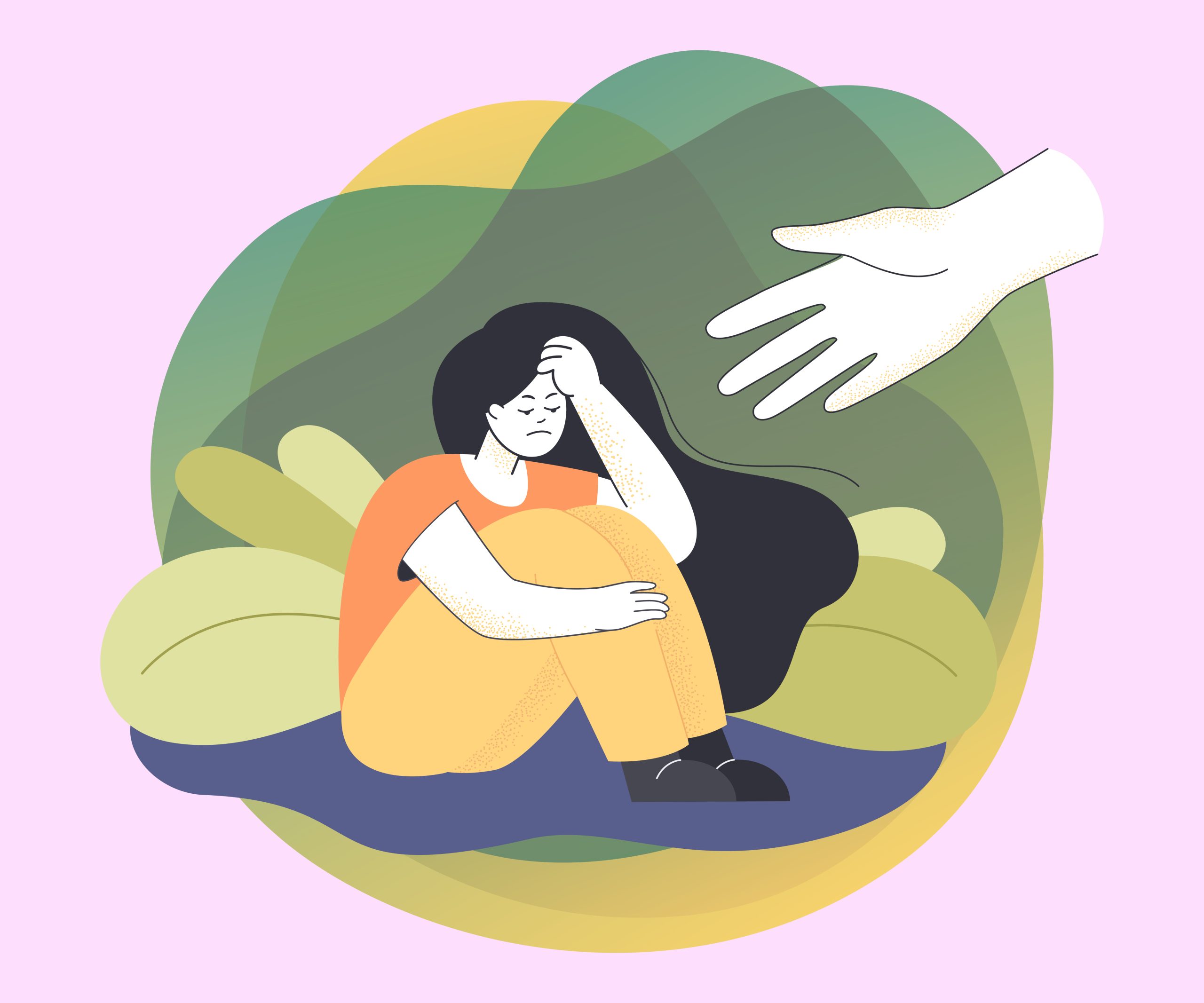

All of us enter a relationship with a nervous system shaped by our past. If we have experienced trauma, whether from childhood, past relationships, or significant life events, our nervous system learned ways to protect us. These protective responses don’t turn off automatically when we enter a loving relationship. They often show up most strongly in close relationships because intimacy involves vulnerability.
Trauma doesn’t just live in our memories. It lives in our expectations, emotional reactions, and our body’s sense of safety.
- Trauma Shapes How Safe We Feel with Closeness
If we learned that people were unpredictable, hurtful, or unavailable, our nervous system may stay alert for signs of danger, even with a caring partner.
This can look like: Difficulty trusting fully, expecting rejection or abandonment, feeling uneasy when things are going well, and watching closely for changes in mood or tone.
This isn’t intentional mistrust. It’s the nervous system trying to prevent future pain.
- Trauma Influences How We Respond to Conflict
Conflict can feel threatening to those of us with past trauma because it activates fears of loss, abandonment, or emotional harm.
Different people respond in different protective ways: Some pursue and seek reassurance, some withdraw and shut down, some become defensive or reactive, and some become overly accommodating to avoid tension.
These reactions are usually about protection, not rejection of the partner.
- Trauma Affects Emotional Regulation
When we have experienced trauma, our nervous system can become more sensitive. Emotional reactions may feel stronger and harder to calm.
This can look like: Feeling overwhelmed more easily, difficulty calming down after an argument, shutting down emotionally, and feeling intensely hurt by situations others might handle more easily.
This is because the nervous system is responding not just to the present moment, but to past experiences as well.
- Trauma Creates Protective Patterns in Relationships
Many behaviours that cause tension in relationships actually began as survival strategies.
For example: Withdrawing protects from rejection, controlling situations protects from unpredictability, seeking reassurance protects from abandonment, avoiding vulnerability protects from emotional pain.
These patterns are attempts to stay safe, even if they unintentionally create distance.
- Trauma Can Lead to Misunderstandings Between Partners
Without understanding trauma, partners may misinterpret each other’s protective responses.
One partner may think: “They don’t trust me, they’re too sensitive, or they’re emotionally unavailable.”
The other partner may actually be feeling: “I don’t feel safe, I’m afraid of being hurt, or I don’t know how to calm my nervous system.”
Understanding this difference is essential.
- Trauma Often Shows Up Most Strongly in Close Relationships
This can be confusing for couples. We may function well in other areas of life but struggle emotionally in our relationship.
This happens because romantic relationships activate vulnerability, emotional dependence, fear of loss, and deep attachment needs.
These are the same areas where our past wounds often exist.
- We Can Help Each Other Heal
Healthy relationships can help reshape our nervous system over time.
Healing happens through consistent experiences of; emotional safety, reliability, calm responses during conflict, repair after misunderstandings, and feeling seen, heard, and understood.
Over time, our nervous system learns that closeness can be safe.
- The Most Important Thing for Us to Understand
Most difficult reactions in our relationships are not intentional attempts to hurt each other. They are usually protective responses rooted in our past experiences.
When couples shift from asking “What’s wrong with you?” to asking “What happened to you?” it creates space for understanding instead of blame.
And when we both understand that these responses come from protection, not rejection, we can begin working together instead of against each other.