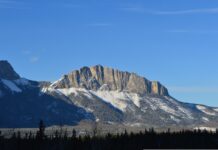
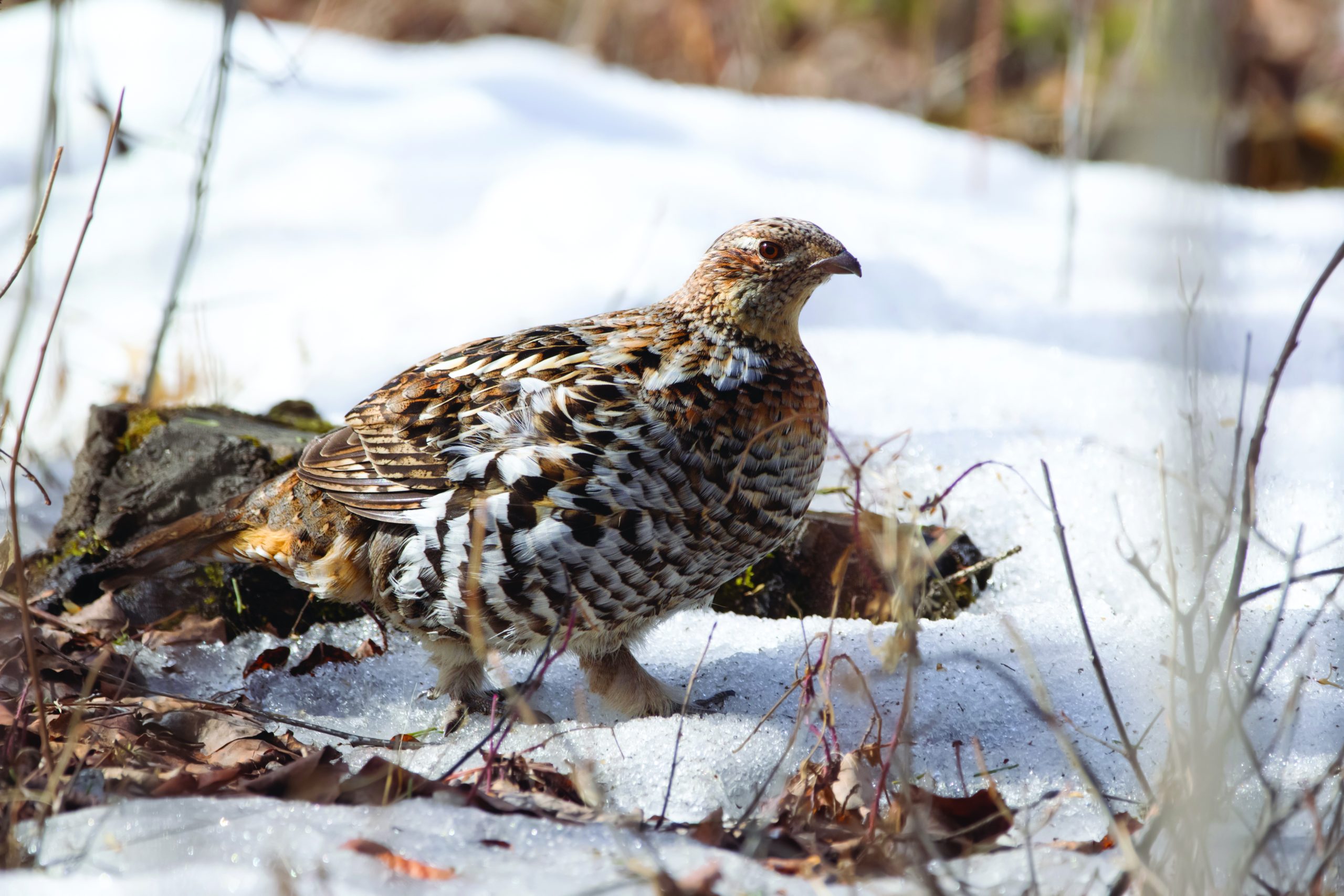

The visual landscape assessment in the Nose Hill Natural Area Management Plan Technical Report identifies aesthetic values that led to establishment of the Park. The natural landscape offers a sense of separation (or escape) from the City. Special places are where users want to go, whether or not formalized trails are established. These core experiences should be preserved for future Calgarians. As destinations they deserve resource protection and require maintenance from damage by major impacts. Otherwise, excessive use will impair the aesthetic resource, so that rehabilitation is necessary. There are severe erosion channels on the slopes and invasive species (weeds). The uplands are recommended for restoration. Some viewpoints are from steep promontories (rocky headlands, bluffs, or parts of a plateau, overlooking a lowland). The Nose is a landmark for both the Park and City of Calgary, despite transmission lines and power poles at its crest, a visibly damaged quarry. The Bow Creek Promontory is exposed on the steepest slopes. The NE Promontory focuses on West Nose Creek and upper Nose Creek Valleys. Several coulees provide shelter, unlike the open hilltop experience. Rubbing Stone Hill offers a panorama of the Nose Creek Valley. The north face of the slope is the focus of view from 14 Street southbound. Rubbing Stone Coulee, the site of a glacial erratic, requires reclamation. Many Owls Valley, Porcupine Valley, and Aspen Grove Coulee are refuges and valuable wildlife habitats. A Sharptailed Grouse Lek was threatened by trail overuse. The water retention facility is at a low end of the Aspen Grove Coulee. Natural beauty of the Park can be enhanced by ecology but there are challenges to the visual and environmental amenities. Many more viewers are drivers along John Laurie Boulevard, 14 Street and Shaganappi Trail.