
by Anne Burke
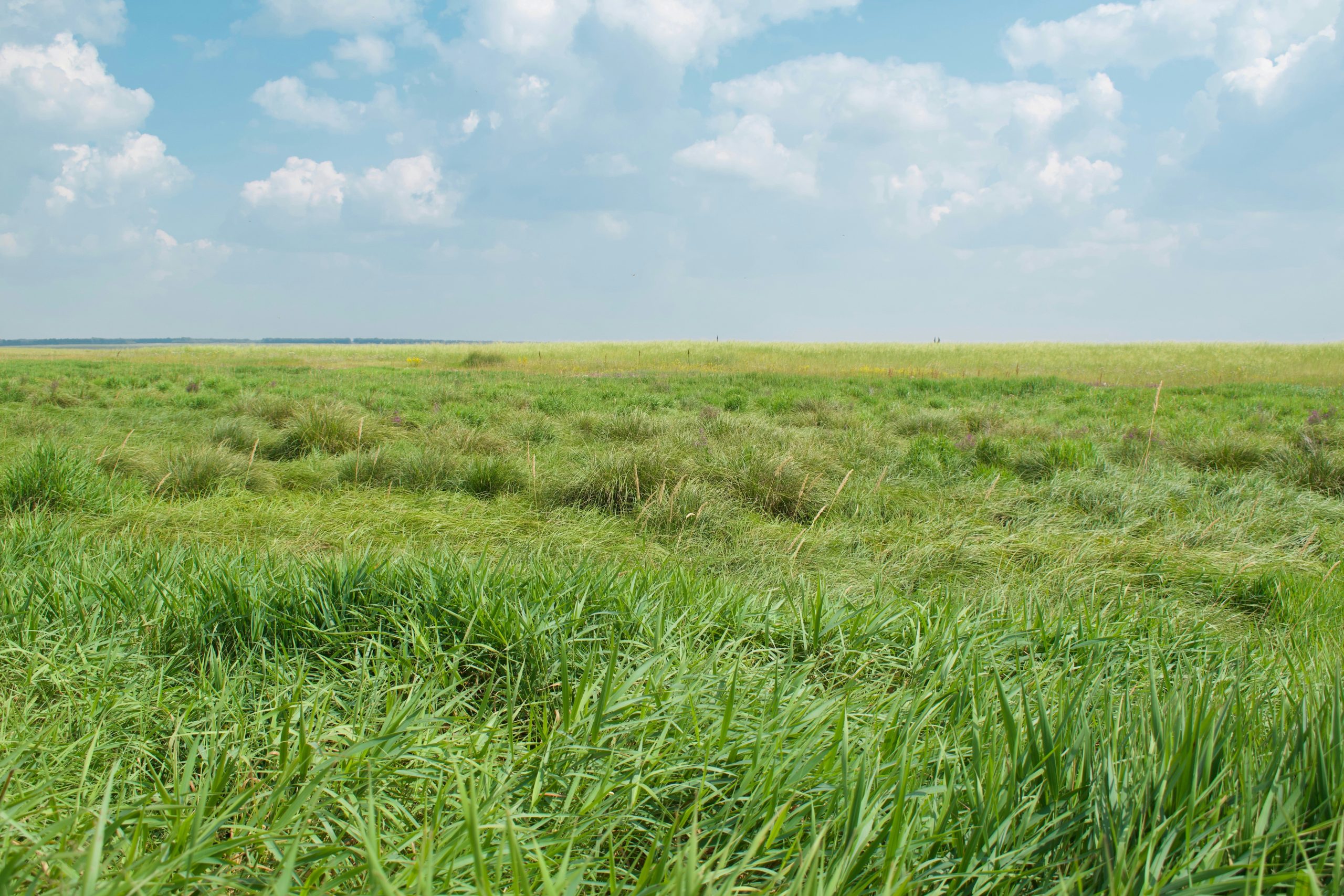
The 1992 Master Plan Review recommended a Natural Area Management Plan for Nose Hill after a land use study. The job was to document compatible recreational opportunities because of native grasslands with some deciduous shrubs and trees. The Nose Hill Park Trail and Pathway Improvement Plan relied on the earlier research and did further consultation, before concluding that activities in the multi-use zone (top of the Hill) should be separated from all Park native vegetation. Over 86% was Western wheatgrass, Rough fescue – Parry oatgrass, Smooth brome, and Rough fescue-Golden bean. There was strong support to extend the multi-use zone towards the Edgemont entrance but increase habitat protection along the south side of Porcupine Valley. The earlier study assessed the sensitivity of vegetation from recreational trampling (foot traffic). Rough fescue-Golden bean has the greatest distribution in the Park and contributes almost 75% of the moderate to high at-risk areas. Most of the grassland is along the sloped areas of the Park’s escarpment. Rough fescue grasslands are significant since they are in great abundance on Nose Hill (up to 35%) but have been lost in much of western Canada. Native Rough fescue grassland along the escarpment is prone to erosion due to more trails and off trail uses, so having rules will help minimize impact and disturbance to reduce the invasion of non-native species (weeds). Due to its rarity Nose Hill Park’s Rough fescue is a nationally significant ecosite and preservation of the grassland is a great management concern. It is also important to consider that while the native grasslands have higher sensitivity to trampling, heavy recreational use and other disturbances also support the invasion of non-native species (weeds), for which natural recovery times could take several decades.