

by H.N Wells
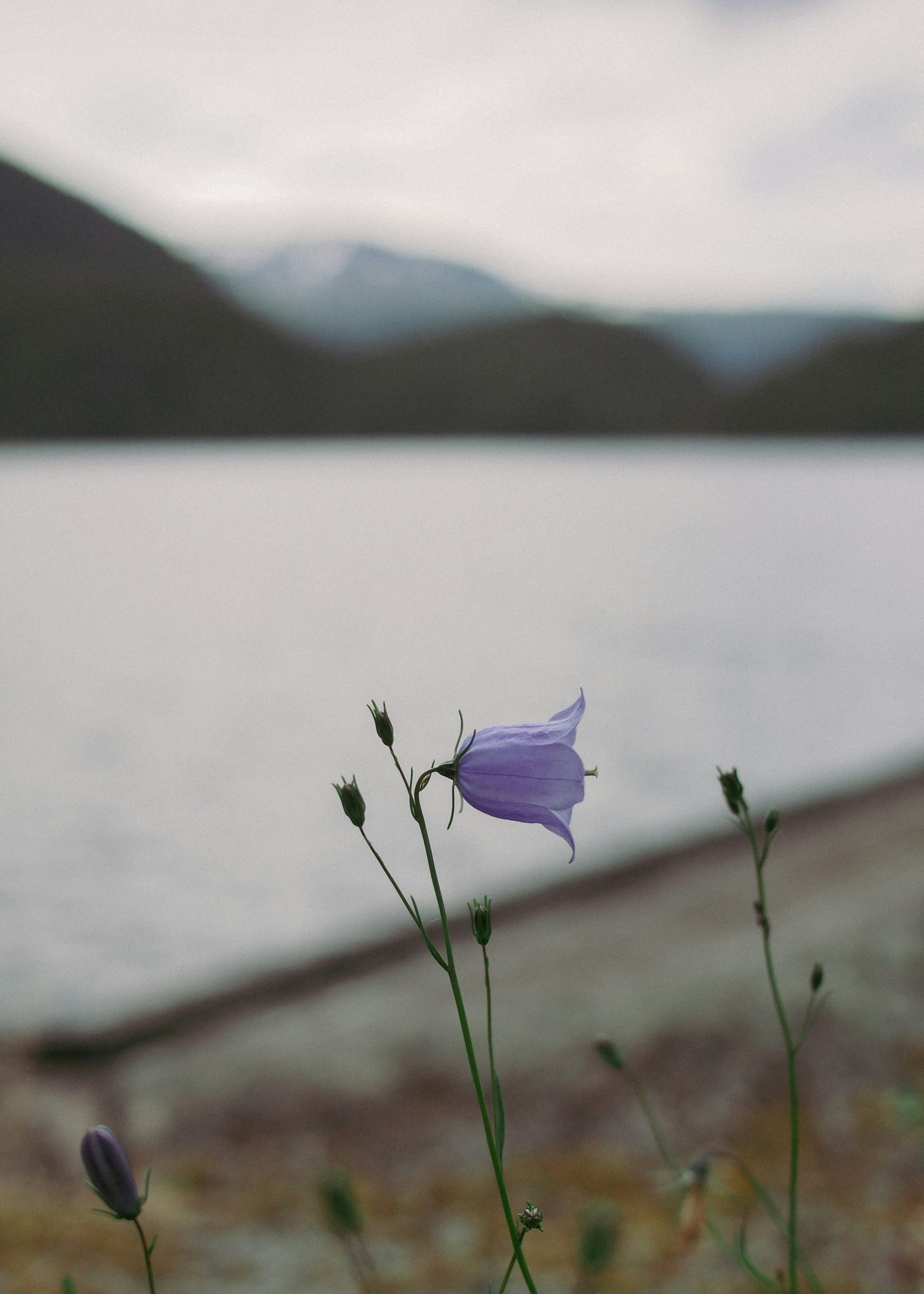
Campanula rotundifolia, also known as the bellflower or harebell, is a native wildflower that blooms in mid-summer to early autumn. This plant may also be referred to as Campanula alaskana, although there are debates as to whether the two plants are different at all. It was originally classified as Campanula rotundifolia var. alaskana by Asa Gray in 1886 but was later designated as an individual species by William Wright in 1918. In truth, the primary difference between Campanula rotundifolia and Campanula alaskana relates to their respective growth regions, rather than physical characteristics. As can be inferred from its taxonomic name, Campanula alaskana is strongly associated with North America, while Campanula rotundifolia may refer to both the North American plant and its Eurasian counterpart. However, as far as that debate is concerned, I’ll leave it up to the botanists.
The plant can be found in most regions within the Northern Hemisphere, including North America, Europe, and northern Asia. Historic uses of the flower include herbal remedies such as teas or poultices for a myriad of illnesses, namely respiratory issues, earaches, and sore eyes. The roots of the plant may be crushed for use on minor wounds and abrasions. Further, the petals can be used to create blue dye. That being said, it is best to avoid using wild plants for these purposes without due diligence and research.
As a native plant species, the bellflower is increasingly important to our prairie ecosystem and is the (nearly) exclusive pollen source for the oligolectic Little Black Sweat Bee, or Dufourea maura. The flower can be found in most wild spaces, including Nose Hill Park, Fish Creek Park, the Nose Creek River Valley, and other localized green spaces. Further information on native plants, including Campanula rotundifolia, can be found through the City of Calgary’s YardSmart program.