
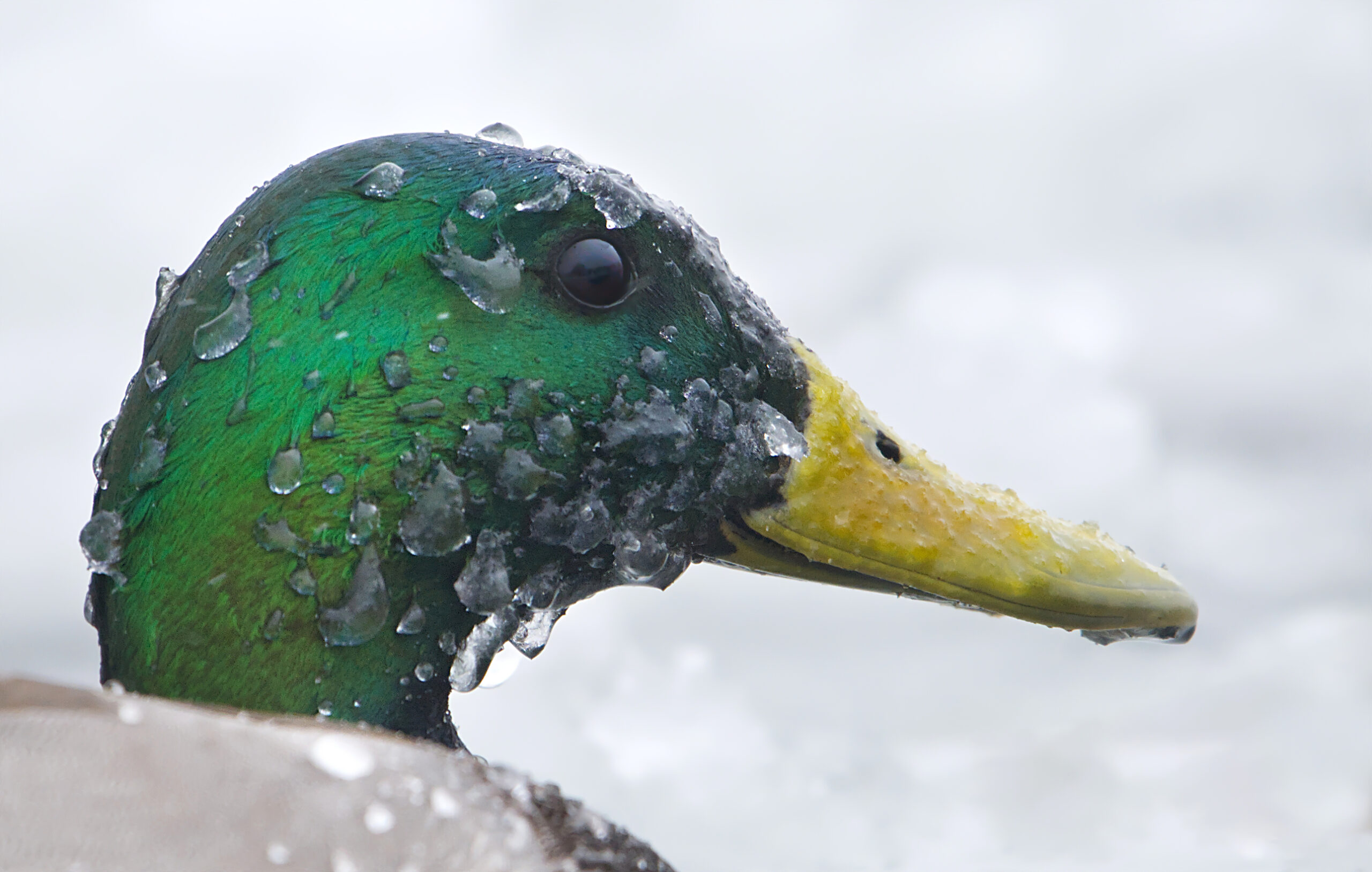

by the Calgary Wildlife Rehabilitation Society
As summer starts to cool with the dawn of fall, one of nature’s most remarkable journeys is underway across Southern Alberta. Countless birds begin migrating south, travelling hundreds or even thousands of kilometres to reach warmer wintering grounds. For many species, September marks the peak of this seasonal movement, making it one of the best times to observe birds, and one of the most important times to help mitigate human-related risks.
During migration, birds rely on favourable weather and places where they can rest and refuel. They navigate using natural cues such as the sun and stars, known landmarks, and the Earth’s magnetic field to complete their journeys. Along the way, they stop in wetlands, grasslands, parks, and urban green spaces throughout Alberta before continuing south.
While migration is a natural process, urban areas can present unexpected hazards. One of the greatest human-related threats is window collisions. Birds do not recognise glass as a solid barrier. Instead, they often see reflections of trees or open sky, or they mistake transparent glass for open space. During migration, when many birds move through unfamiliar urban areas, such collisions become much more common. Research estimates tens of millions of birds die each year in Canada after striking windows, with most collisions occurring at homes and low-rise buildings rather than skyscrapers.
Fortunately, small changes at home can make a significant difference.
One of the most effective ways to reduce collisions is to make windows more visible to birds. Applying patterns, decals, tape, or specialised films to the outside of glass helps birds recognise it as a barrier. For the greatest effectiveness, the markings should cover the entire window, with gaps no larger than 5 centimetres. While they cover a large area, these covers are unobtrusive and don’t block the view from a window.
Reducing unnecessary outdoor lighting at night can also help migrating birds. Many songbirds migrate after dark and use the moon and stars for navigation. Bright artificial lighting can disorient them, drawing birds into urban areas where the risk of collisions with buildings and windows increases. Turning off unnecessary exterior lights or closing blinds after dark during migration season can help reduce this risk.
Although food is important during migration, Calgary Wildlife does not recommend putting out bird feeders. Feeders bring many birds together around shared food and surfaces, where contaminated seed, water, saliva, and droppings can increase the spread of disease. This is especially concerning during migration, when local birds mix with visitors travelling long distances, and infections may be carried between populations.
A bird bath can provide water without concentrating birds around a food source, but it still requires careful maintenance. Replace the water daily or every other day, scrub the basin regularly and place it away from untreated reflective windows. Planting native flowers, shrubs, and trees is an even better way to support migrating birds by providing natural food, shelter, and resting places without drawing large numbers of birds to a single feeder.
Position any bird baths either within one metre of windows or away to help reduce the likelihood of high-speed collisions. Research has also shown that landscaping and vegetation placed directly in front of reflective windows can unintentionally increase the risk of collisions. Rather than removing valuable habitat, take special care of nearby glass and try to make the glass visible to birds using effective collision-prevention treatment.
Fall migration offers a chance to witness an extraordinary natural event happening right above our communities. Whether you notice flocks of geese overhead, hear the calls of migrating songbirds, or spot unfamiliar visitors in your neighbourhood, these travellers are making an incredible journey that depends on safe places to rest along the way. Small choices at home can make a meaningful difference for birds travelling hundreds or even thousands of kilometres.



