
by the Calgary Wildlife Rehabilitation Society
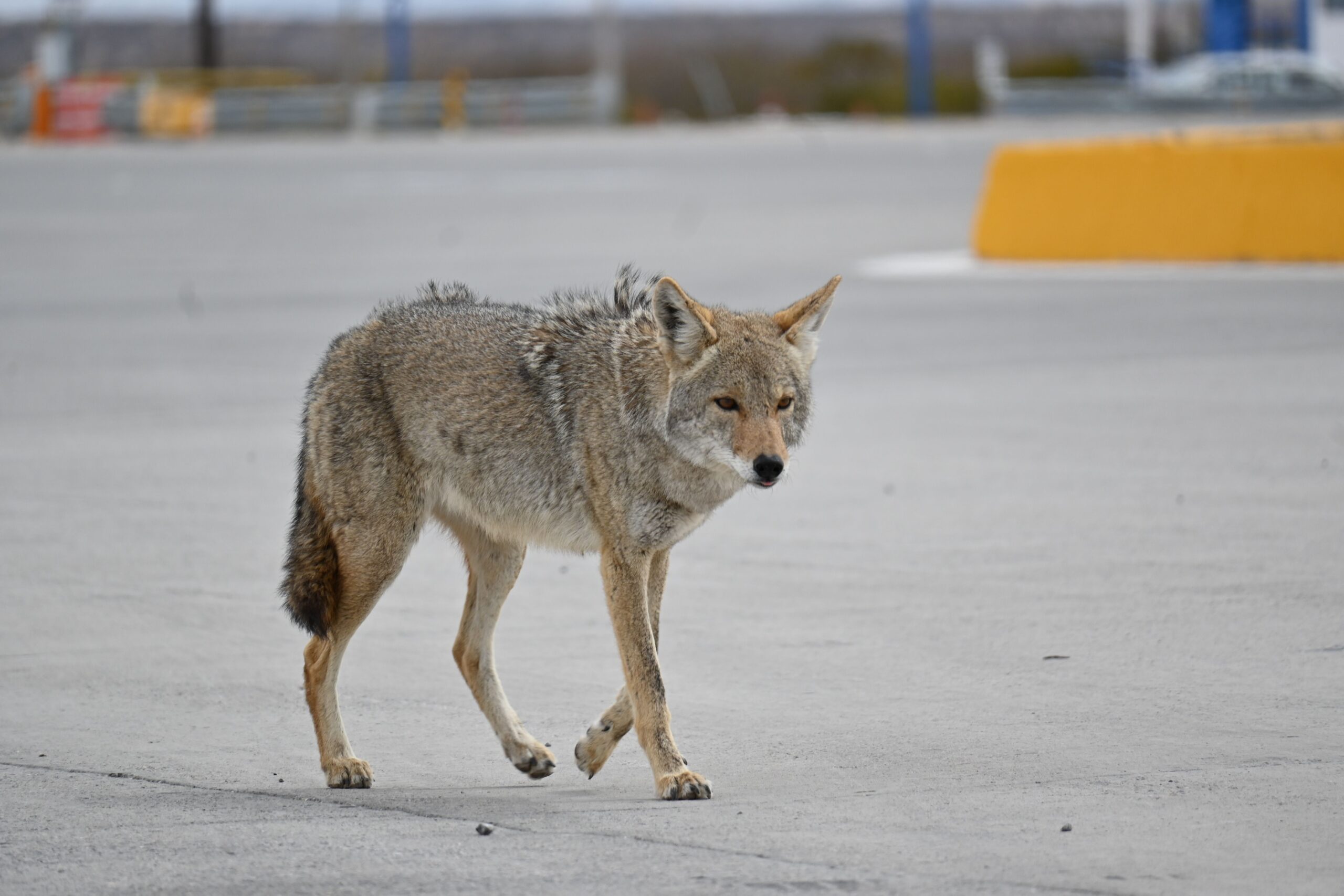
Spotting a coyote in Calgary isn’t unusual. You might see them crossing a quiet residential road at dawn or dusk, moving through an urban park, or down a river path. While seeing one can be surprising, coyotes are naturally cautious animals that generally prefer to avoid people.
Coyotes are highly adaptable, which is one reason they thrive in and around cities. Calgary’s network of parks, natural areas, river valleys, and green spaces provides ideal habitat and travel corridors, while urban environments can offer shelter and food. Their natural diet consists primarily of small mammals such as mice, voles, rabbits, and ground squirrels, along with insects, berries, and other seasonal foods. By helping control rodent populations, coyotes play an important role in maintaining healthy urban ecosystems.
Although coyotes are present year-round, their behaviour changes throughout the seasons. In late winter, particularly January and February, breeding season can make adults more territorial. During spring and early summer, parents become especially protective as they raise pups. By autumn, young coyotes begin dispersing from their family groups in search of new territories, increasing the chances of sightings throughout Calgary as they travel unfamiliar routes.
When pups are present, coyotes may also show “escorting” behaviour, following a person or dog from a distance as they move away from the den or territory. Although this can feel intimidating, escorting is generally a defensive behaviour rather than an aggressive one. The coyote is responding to a perceived threat and encouraging it to leave the area.
Most encounters between people and coyotes are brief and uneventful. Coyotes typically keep their distance, but problems can arise when they begin associating people with food. Intentional feeding, unsecured garbage, fallen fruit from backyard trees, compost, or pet food left outdoors can attract coyotes into neighbourhoods. Once animals become food-conditioned, they may lose some of their natural wariness, increasing the likelihood of conflict.
Simple actions can help reduce attractants around homes and communities. Make sure to securely store garbage in bins until collection day, clean up any fallen birdseed and pick up any fallen fruit. Compost bins should be properly maintained, pet waste should be regularly picked up, and pet food should not be left outside. These measures help discourage coyotes and many other wildlife species from relying on human-provided food sources.
Responsible pet ownership also plays an important role in preventing conflicts. Cats are safest indoors, particularly between dusk and dawn when coyotes are often most active. Dogs should remain on a leash in parks and natural areas unless they are in designated off-leash spaces where wildlife activity is low. Keeping pets close reduces the chance of defensive interactions, particularly during denning season.
If you encounter a coyote, remain calm and give the animal plenty of space. Do not approach it or attempt to feed it. If a coyote does not give you space or appears aggressive, make yourself appear larger by standing tall, maintain eye contact, pick up small children or small dogs, wave your arms, and speak in a firm voice while slowly backing away. Running is not recommended, as it may encourage the animal to give chase.
Coyotes have adapted remarkably well to urban life, but successful coexistence depends on maintaining healthy boundaries. By keeping wildlife wild, removing food attractants, and respecting their space, Calgarians can help reduce conflicts while supporting one of Southern Alberta’s most adaptable native species.